



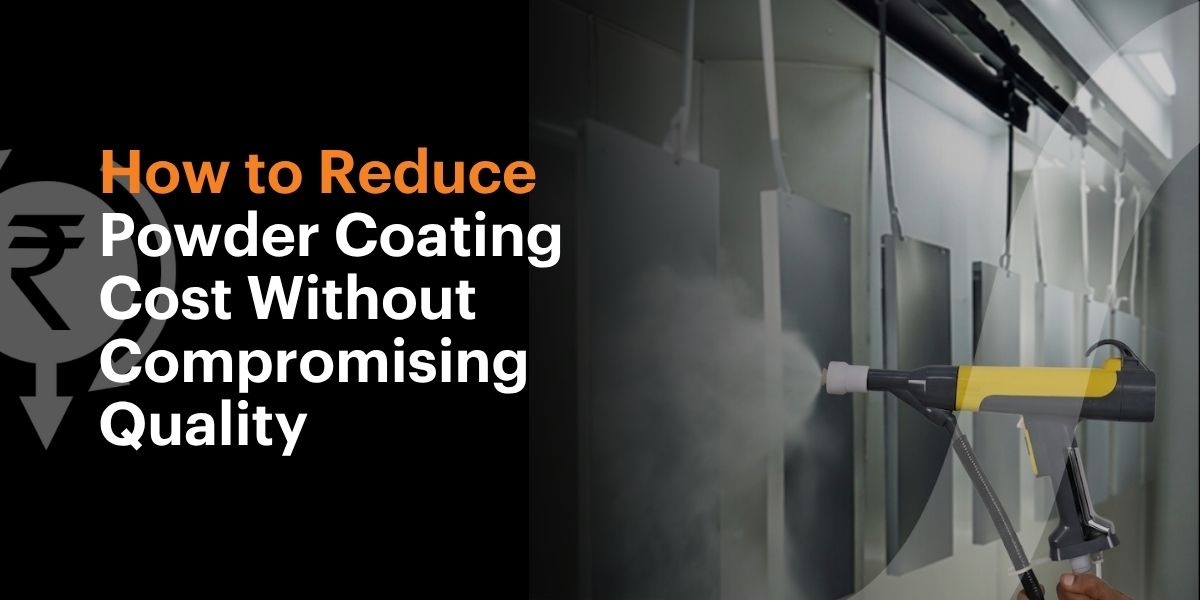
In many factories, powder coating cost slowly starts increasing without anyone noticing when it actually began. The production is running, The coating line is active and The finish looks acceptable.
Yet month after month, material consumption rises, rework increases, and productivity feels slower than before. Most businesses first blame the powder. But the real losses usually come from small inefficiencies hidden inside the process. The reasons are, a little overspray, A few extra touch-ups, Irregular movement, More manual adjustments.
Individually, these don’t seem serious. But together, they quietly increase the cost of every coated component.
The good part? Most of these losses can be reduced, without compromising coating quality.
Powder Wastage
At first, overspray does not look like a major issue. The coating still happens. The line still moves. But over time, excess powder drifting away from the component starts affecting material consumption more than expected. Many times, the issue is not the powder itself. It is the lack of application control.
A properly controlled spray setup helps improve transfer efficiency, reduce unnecessary wastage, and maintain a more uniform finish. Small improvements in spray settings and equipment performance can create noticeable savings over long production cycles.
Rework - The Cost Nobody Plans For
A component with uneven coating rarely moves forward smoothly. It comes back. For touch-up, for recoating, for inspection again. And every reworked component quietly adds: More labour, More powder usage, More production time, More delivery pressure. The challenge is that rework often becomes part of the routine. Until businesses realize how much time and cost it is actually consuming.
Consistency in application and stable movement across the process play a major role in reducing these repeated losses.
Movement Problem - Bigger Production Loss Than Expected
In many coating setups, the biggest delay is not in spraying. It is in movement. Irregular conveyor flow, inconsistent spacing, or interruptions in the line affect the entire process. The problems such as Components move unevenly, Operators keep adjusting, the line loses rhythm. And once the flow becomes inconsistent, both productivity and coating quality start getting affected.
A properly designed conveyor system helps maintain continuous movement, controlled speed, and smoother production flow across the entire line.
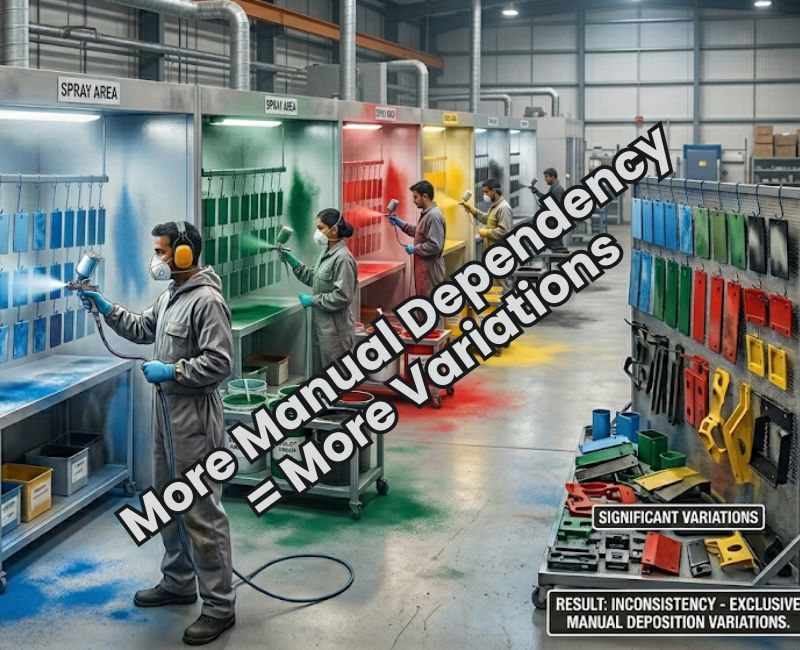
More Manual Dependency = More Variations
Manual coating operations requires skill. But when the entire process depends heavily on repetitive manual movement, consistency becomes difficult. Over long cycles – fatigue builds up, Spray patterns vary, Adjustments increase.
Coating System Problem
Many systems continue running for years simply because they are still operational. But functioning equipment is not always efficient equipment.
Older setups often lead to:
- Higher maintenance
- More downtime
- Lower efficiency
- Inconsistent output
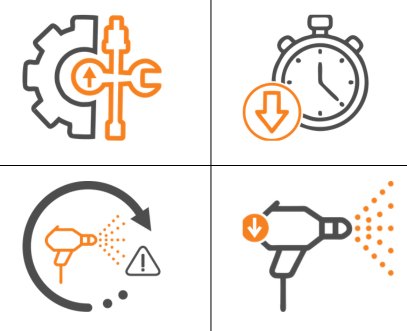
Reliable equipment improves more than just finish quality. It improves control over the entire process.
Small Improvements Create Big Savings
Most manufacturers assume reducing coating cost requires a major line overhaul. In reality, some of the biggest improvements come from fixing small process inefficiencies, such as
Better application control. Smoother movement.
Reduced manual dependency. More reliable equipment.
When these areas improve together, coating quality becomes more stable while operating cost starts reducing naturally. Because in the end, reducing cost is not about cutting corners. It is about improving the way the process performs.